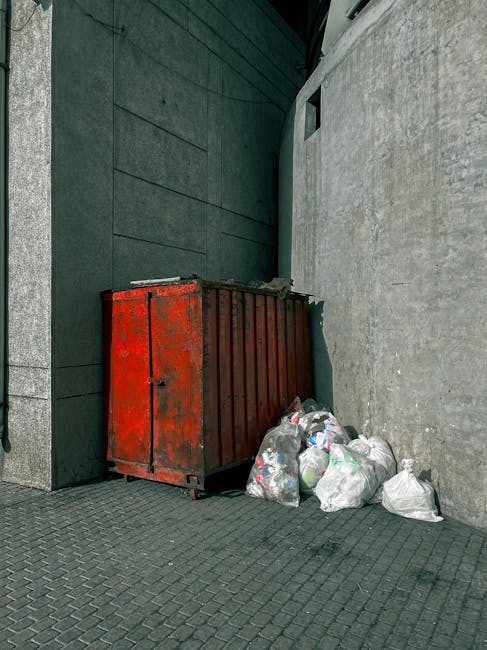
Household rubbish collection HP11 and HP10 High Wycombe
If your bins are overflowing, the shed has become a graveyard for broken bits and old packaging, or you've got bulky household rubbish that simply won't fit into the next council round, you're probably looking for a clear, reliable answer. Household rubbish collection HP11 and HP10 High Wycombe is, at its simplest, about getting unwanted domestic waste removed safely, quickly, and with as little fuss as possible. But in practice, it's also about timing, sorting, trust, and making sure nothing ends up dumped in the wrong place.
For many homes in High Wycombe, the need comes up at awkward moments: after a clear-out, before a move, following a refurbishment, or just because life has a way of accumulating stuff. This guide walks you through how household rubbish collection works, what to expect, where the common traps are, and how to choose a sensible route for HP11 and HP10. If you want to understand the process properly, you're in the right place.
A quick note before we start: every household situation is a bit different. A small bag-and-box collection is one thing. A mixed load from a loft, garage, garden, and spare room is another. The good news? There is usually a practical way through it.
Why Household rubbish collection HP11 and HP10 High Wycombe Matters
Waste builds up quietly. That's the annoying bit. A few bags in the hall. One damaged chair in the corner. A broken microwave nobody can quite be bothered to move. Then, all at once, the house starts to feel cramped, messy, and harder to live in. In HP11 and HP10, where homes range from compact terraces to larger family properties, household rubbish collection matters because space is precious and convenience matters even more.
There's also the practical side. Leaving rubbish sitting around can attract smells, pests, and general frustration. If you've ever opened a utility cupboard and caught that stale, dusty, slightly damp smell of forgotten clutter, you'll know the feeling. Not lovely. A proper collection service helps restore order without turning your weekend into a skip-loading marathon.
It also matters because not all household waste is the same. General rubbish, mixed recyclable items, furniture, appliances, and awkward bulky items all need handling differently. A thoughtful collection process reduces the risk of damage to your property, avoids unnecessary trips to disposal points, and makes it easier to keep things tidy during a clear-out.
For households in HP11 and HP10, the bigger picture is simple: good rubbish collection is about making domestic life easier, safer, and less stressful. That's the real value, not just "getting rid of stuff."
Expert summary: the best household rubbish collection is not just fast, it's organised. Clear load, clear price, clear disposal route. If those three pieces are in place, most of the stress disappears.
How Household rubbish collection HP11 and HP10 High Wycombe Works
In most cases, household rubbish collection follows a straightforward process. You describe what needs to go, someone assesses the amount and type of waste, and a collection is arranged for a convenient time. The exact details vary, but the principle is always the same: match the right removal method to the right load.
Here's the basic shape of it:
- You identify the waste. This might be bagged rubbish, furniture, boxes of old belongings, or a mixed household clear-out.
- You estimate the volume. Think in practical terms: a few bin bags, a car boot, a van load, or several van loads. No need to be perfect, just honest.
- You check access. Narrow hallway? Stairs? Parking restrictions? Tight garden path? These things matter more than people expect.
- You arrange the collection. A suitable time is set, usually with a clear understanding of what is and isn't included.
- The rubbish is removed. Items are loaded safely, sorted where needed, and taken away for appropriate disposal or recycling.
In the HP11 and HP10 area, access can sometimes be the trickiest part rather than the waste itself. A ground-floor flat with limited parking, for example, may take more planning than a larger driveway property. To be fair, that's normal. A good collection process should account for real-world access, not pretend every house is the same.
If you're comparing providers, you should also look for clear information on pricing and quotes, along with signs of responsible handling such as the company's recycling and sustainability approach. Those two things tell you a lot about how seriously they treat the job.
Key Benefits and Practical Advantages
There are obvious benefits to household rubbish collection, but the best ones are the everyday ones. The ones you notice on a Tuesday afternoon when the spare room suddenly feels walkable again.
- More usable space. Clear rubbish means rooms can be used properly again, whether that's a bedroom, garage, loft, or garden.
- Less stress. A pile of unwanted items is mentally draining. Removing it can make a home feel calmer almost immediately.
- Safer movement around the home. Cluttered walkways, stacked bags, and awkward items increase trip risks.
- Better organisation before a move or renovation. If you're decluttering before decorating, selling, or moving, waste removal keeps the project moving.
- Improved cleanliness and hygiene. Old waste, especially food packaging or damp materials, can create odours and attract pests.
- Less hassle than doing it alone. Hiring a collection service saves multiple journeys and avoids the awkward "where do we even put this?" question.
Another quiet advantage is decision relief. Households often delay clear-outs because sorting, lifting, and disposing of waste all feel like separate jobs. When a collection is organised well, the whole thing becomes one manageable task. And honestly, that alone can be a big win.
Good services also tend to bring a more careful approach to sorting and disposal, which can make a real difference if you're trying to avoid unnecessary waste. If you care about how items are handled after collection, it's worth reading a provider's recycling and sustainability information before you book.
Who This Is For and When It Makes Sense
Household rubbish collection in HP11 and HP10 makes sense for a wide range of people, not just those doing a full house clearance. In fact, many jobs are smaller than people expect.
You may need it if you are:
- clearing out a loft, shed, garage, or spare room
- preparing for a tenancy change or property sale
- dealing with bulky furniture that cannot go out with normal waste
- sorting through a bereavement property or long-term family home
- renovating part of the house and need mixed waste removed
- tidying up after years of accumulated "I'll deal with that later" items
- simply trying to get on top of household clutter without a full-scale project
It's especially useful when the waste is awkward rather than huge. Think damaged wardrobe panels, broken toys, packaging from deliveries, old bedding, or mixed bits from a cupboard clear-out. Not glamorous stuff, obviously. But it adds up fast.
There are also situations where collection is the more sensible option than trying to self-manage disposal. If you don't have suitable transport, if the items are too heavy to move safely, or if you'd rather not spend the entire day making trips back and forth, a collection service is often the calmer choice.
And if you're unsure whether your load is classed as regular household rubbish or something that needs extra care, ask before booking. That little conversation can save a headache later.
Step-by-Step Guidance
If you want the cleanest, least stressful outcome, a bit of planning goes a long way. Here's a practical way to approach household rubbish collection in HP11 and HP10.
1. Walk through the property first
Start room by room. Don't just glance around and guess. Open cupboards, check behind doors, look in the loft if it's safe to do so. Waste hides in odd corners. It always does.
2. Separate obvious categories
Set aside general rubbish, bulky items, and anything that might be reusable or recyclable. You do not need to over-sort everything, but some simple separation helps avoid confusion later.
3. Take rough notes or photos
A few clear photos are often enough to explain the size and nature of the job. If something is unusually heavy, fragile, or difficult to access, mention it. Better to be upfront than to discover it on collection day.
4. Check access and parking
Can a vehicle get close? Is there a narrow lane? Are there steps? Is there resident-only parking? These practical details matter, especially in busier parts of High Wycombe.
5. Confirm what will be collected
Make sure you know whether the collection covers the exact mix of waste you have. A straightforward rubbish load is one thing; a mixed domestic clearance can be another. Clarity now avoids awkwardness later.
6. Prepare the load safely
Bag light waste, stack items sensibly, and keep walkways open. If there are sharp edges, broken glass, or damp items, tell the collector. No drama, just common sense.
7. Review the quote and terms
Before confirming, take a moment to check the provider's terms and conditions and their approach to payment and security. You want the job done properly and the paperwork to be clear.
8. Do a final sweep after collection
Once the rubbish is removed, walk through the space again. This is the nice part. You'll notice the room feels lighter, quieter, and strangely bigger. Small thing, maybe. But it changes the mood of a house.
Expert Tips for Better Results
There are a few simple habits that make a rubbish collection smoother. Nothing fancy. Just the sort of practical detail that stops a decent job from becoming a messy one.
- Be precise about mixed waste. A load that includes furniture, packaging, and bagged rubbish can require different handling from a simple bin-bag collection.
- Don't hide the awkward items. If there's a heavy mattress, paint tin, or damaged appliance tucked behind everything else, mention it from the start.
- Keep paths clear. It helps the team work faster and reduces the chance of scuffed walls or knocked corners.
- Ask how items are sorted. Responsible providers should be able to explain how they separate reusable, recyclable, and general waste.
- Think in zones. One room at a time is easier than trying to tackle the whole house in a single rush.
- Book before the clutter turns into a project. Honestly, the earlier you act, the easier it is. A small pile stays small only for so long.
One thing people often underestimate is emotional load. A loft clear-out after years of storage can feel oddly tiring. Not because it's difficult in a technical sense, but because every item nudges a memory. If that's your situation, go slower. No need to wrestle the whole house in one afternoon.
If you want to understand the people behind the service before booking, the about us page is a useful place to start. And if you need help making the first move, use the contact page to ask questions before you commit.
Common Mistakes to Avoid
A lot of rubbish collection problems come from simple, avoidable mistakes. The good news is that most of them are easy to dodge once you know what to look for.
- Guessing the volume too loosely. A "small amount" can turn into a much bigger job once everything is gathered together.
- Not mentioning access issues. Narrow stairs, no parking, or awkward entrances can change the whole plan.
- Mixing up rubbish and reusable items. If there are things you might donate, sell, or keep, separate them first.
- Leaving everything until the last minute. This often leads to rushed decisions and a less tidy result.
- Assuming all waste can be handled the same way. Some items need special care, even in a domestic setting.
- Skipping the small print. Terms, payment, and scope should be clear before anyone starts lifting.
Another mistake is forgetting that cheap is not always simple. A very low quote may leave out things you assumed were included. The maths looks fine until the van arrives and the conversation changes. Nobody enjoys that moment. Nobody.
If you want a better sense of how quotes are structured, review a provider's pricing and quotes information carefully. It's one of the easiest ways to spot whether a company is being straight with you.
Tools, Resources and Recommendations
You do not need a garage full of kit to prepare household rubbish for collection. A few simple tools are usually enough.
- Strong bin bags or rubble sacks for loose domestic waste
- Marker pens and labels if you are separating keep, donate, and remove piles
- Gloves for handling dusty or rough items
- Cardboard boxes for smaller mixed household items
- Sturdy tape for bundling light materials safely
- A torch for lofts, cupboards, or dim corners
For house clear-outs and domestic rubbish, organisation is usually more valuable than equipment. A few labelled piles can save a lot of back-and-forth. I've seen one room turn from chaos into a workable plan just by using three box labels and a marker pen. Not glamorous, but effective.
Useful support pages on this site include the company's health and safety policy, insurance and safety information, and accessibility statement. They help set expectations about how the service is run and what standards are being followed.
If you are checking how the business handles customer data and site use, you can also review the privacy policy and cookie policy. For customers who like to understand the wider company values, the modern slavery statement is also available.
Law, Compliance, Standards, or Best Practice
Household rubbish collection sits within a practical and legal framework in the UK, even when the job seems straightforward. You do not need to become a waste-law expert, but it does help to know the basics.
In plain English, waste should be handled responsibly, transferred to appropriate facilities, and not dumped or left in a way that creates nuisance, hazard, or environmental harm. That means a legitimate collection provider should be able to explain how waste is managed and should treat disposal as part of the service, not an afterthought.
Best practice usually includes:
- clear identification of what is being removed
- careful handling of heavy or fragile items
- appropriate sorting where materials can be reused or recycled
- transparent pricing and scope
- safe lifting and loading methods
- respect for the property and surrounding area
It is also good practice for providers to work in line with their own published safety and complaints procedures. If something does not go as expected, you should know how to raise it. That's why pages like the complaints procedure matter; they tell you there is a process, not just a promise.
For customers, the main takeaway is simple: choose a company that feels organised, transparent, and careful. If the service is vague before the booking, it is unlikely to become clearer later. Bit of a rule of thumb, really.
Options, Methods, or Comparison Table
Not every household rubbish job needs the same solution. The right option depends on how much waste you have, how quickly you need it gone, and how much lifting and sorting you want to do yourself.
| Option | Best for | Pros | Watch-outs |
|---|---|---|---|
| Bagging and waiting for normal disposal | Very small amounts of everyday rubbish | Low effort if you already have time | Can be slow, limited by capacity, not ideal for bulky waste |
| Self-load and transport | Households with suitable vehicle access and time | Flexible if you can manage it safely | Multiple trips, lifting strain, disposal admin, time-consuming |
| Professional household rubbish collection | Mixed domestic waste, bulky items, time-sensitive clear-outs | Convenient, quicker, less physical strain | Needs clear quoting and careful scope |
For many people in HP11 and HP10, professional collection is the middle ground that makes sense. It avoids the chaos of a DIY disposal day without turning the job into a massive project. That said, if you only have a couple of small bags, keep it simple. No need to make a mountain out of a dustpan.
Case Study or Real-World Example
Imagine a family in HP10 preparing to redecorate a spare room. The room has become a catch-all space for old boxes, a cracked bedside table, a broken fan, several bagged items from a wardrobe sort-out, and a few bulky bits that no one wants to wrestle down the stairs. On the surface, it looks like "just clutter." In reality, it's a proper mixed household rubbish job.
They start with a quick walk-through and separate keep, donate, and remove piles. A few items go straight into the keep pile because they still have value. Some old papers and packaging are bagged. The broken furniture is grouped together so it can be loaded efficiently. They also note that parking is tight, so access needs to be planned carefully.
Once the collection is arranged, the room is cleared in one visit. The family then does a final sweep, wipes the skirting boards, and suddenly the space feels ready for paint. That's often the moment people realise how much mental weight the clutter had been carrying.
Nothing dramatic happened. No miracle. Just good planning, honest description of the job, and a sensible collection process. And yes, it probably saved a few arguments too. Which, in a family home, is not nothing.
Practical Checklist
Use this checklist before arranging household rubbish collection in HP11 or HP10:
- Identify exactly what needs removing
- Separate anything you want to keep, sell, or donate
- Take photos of the load if helpful
- Estimate the quantity as accurately as you can
- Note access issues, stairs, parking, or narrow entrances
- Check whether the waste is general, bulky, or mixed
- Review pricing, scope, and payment details
- Read the provider's terms and conditions
- Ask how reusable or recyclable materials are handled
- Prepare the area so collection can happen safely and quickly
- Confirm the booking details before the day
- Do a final check after the rubbish is removed
If you get these basics right, the job usually runs much more smoothly. Not always perfect, but much smoother. And that matters when you're already juggling a busy week.
Conclusion
Household rubbish collection HP11 and HP10 High Wycombe is ultimately about making life easier. It helps you reclaim space, reduce stress, and deal with clutter in a sensible, orderly way. Whether you're clearing a single room or tackling a more involved domestic project, the key is to plan well, describe the job honestly, and choose a provider that handles the work with care.
The best results usually come from simple things: clear communication, realistic expectations, and a focus on safety and responsible disposal. If you're at the stage where the rubbish has stopped being "stuff for later" and started becoming a real problem, that's your sign to act. Small step, big relief.
Get a free quote today and see how much you can save.
And if you're still weighing things up, take your time. A good decision now can make the whole house feel lighter by evening, which is a pretty decent outcome, really.
Frequently Asked Questions
What counts as household rubbish collection in HP11 and HP10?
It usually refers to the removal of domestic waste from homes in those areas, including bagged rubbish, clutter, bulky household items, and mixed clear-out loads. The exact scope depends on the provider and what you agree in advance.
Can I book a collection for just a few items?
Yes, in many cases you can. A few bulky items, some bagged waste, or a small room clear-out can still be suitable for collection. The important thing is to explain the load clearly so the service can be matched properly.
How do I know if my rubbish is too much for a standard collection?
If the pile fills a room, blocks access, or includes several categories of waste, it may be more than a simple collection. Photos are usually helpful. When in doubt, ask for guidance rather than guessing.
Do I need to sort everything before collection?
You do not always need to sort everything into perfect categories, but basic organisation helps. Separate items you want to keep and mention anything unusual, heavy, or fragile. That makes the collection easier and usually cleaner.
What happens to the rubbish after it is collected?
Responsible providers should sort items where possible and direct waste toward suitable disposal or recycling routes. If this matters to you, ask how the company handles recyclable or reusable materials before booking.
Is household rubbish collection different from a house clearance?
Yes, although there can be overlap. Household rubbish collection is often about removing waste and unwanted domestic items, while house clearance can involve a broader, more complete emptying of rooms or properties. Some jobs sit somewhere in between.
How should I prepare access for the collection team?
Clear pathways, unlock gates if needed, and let the provider know about stairs, tight corners, parking restrictions, or long carries. A few minutes of planning can save a lot of hassle on the day.
What should I check before accepting a quote?
Check what is included, how payment works, whether access issues affect the price, and how the provider handles waste. It is also wise to review the company's terms and conditions and pricing information.
Are there safety concerns with household rubbish removal?
There can be, especially with heavy furniture, broken glass, damp items, or awkward lifting. Safe handling matters. A professional service should follow sensible lifting and loading practices and treat the property with care.
What if I am not sure whether an item can be collected?
Ask before the booking is confirmed. That is the safest route. A clear conversation upfront is much better than discovering a problem at the doorstep with everyone standing around wondering what happens next.
Can I see more about the company before I book?
Yes. The site includes useful pages such as About Us, Contact Us, Pricing and Quotes, and Recycling and Sustainability if you want to understand the service in more detail.
What is the best first step if my home feels overwhelmed by rubbish?
Start small. Pick one room, identify the obvious waste, and get a realistic idea of the volume. Then request a quote or ask a few questions. Once the first load is gone, the whole job usually feels much more manageable.