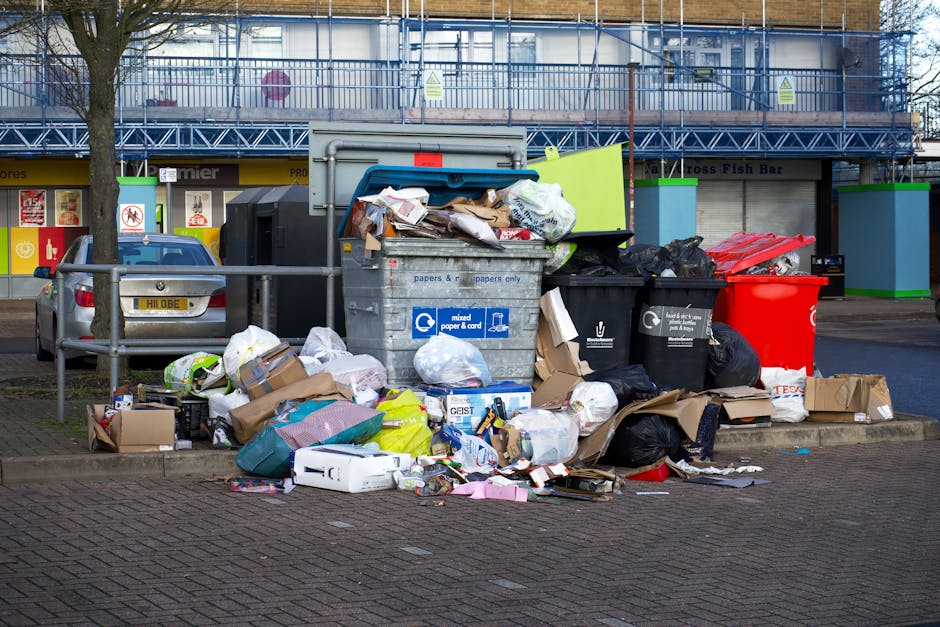
Rubbish removal guide for HP11 streets in High Wycombe
If you live, work, or manage property around HP11, rubbish has a funny habit of building up faster than you expect. One broken wardrobe becomes a hallway obstruction. One garden tidy-up turns into bags, branches, and a pile of "I'll deal with that later." This Rubbish removal guide for HP11 streets in High Wycombe is here to make the process simpler, safer, and a lot less stressful.
We'll cover how rubbish removal typically works on local streets, what to watch out for, how to choose the right removal method, and how to avoid the common mistakes that cost people time and money. Whether you're clearing a flat, a family home, a rental property, a garage, or a small business unit, the same core questions come up: what counts as waste, who handles it, and what's the most practical route from "messy" to "done"?
Let's keep it practical. A good rubbish removal plan should save you lifting, reduce the risk of fly-tipping, and help you clear space without turning your day upside down. Sounds simple. Sometimes it isn't. But it can be.
Table of Contents
- Why rubbish removal in HP11 matters
- How rubbish removal in HP11 streets works
- Key benefits and practical advantages
- Who this is for and when it makes sense
- Step-by-step guidance
- Expert tips for better results
- Common mistakes to avoid
- Tools, resources and recommendations
- Law, compliance, standards, or best practice
- Options, methods, or comparison table
- Case study or real-world example
- Practical checklist
- Conclusion
- Frequently asked questions
Why Rubbish removal guide for HP11 streets in High Wycombe Matters
HP11 includes a mix of residential streets, terraced homes, flats, business premises, and busy access roads. That variety matters because rubbish removal isn't one-size-fits-all. A narrow street with limited parking, for example, creates a very different challenge from a property with a wide drive and easy loading space. If you've ever tried shifting a sofa down a tight staircase while cars queue outside, you'll know exactly what I mean. Not ideal.
Getting rubbish removal right matters for three simple reasons: safety, efficiency, and responsibility. Safety because loose waste, broken glass, sharp metal, and heavy items can injure people or damage property. Efficiency because the longer clutter sits around, the harder it becomes to sort, lift, and clear. Responsibility because waste needs to be handled properly, not left in a way that causes trouble for neighbours, pedestrians, or the environment.
There's also the local reality of street life in High Wycombe. On some roads, you need to think about where a van can stop, whether access is awkward, and how long a collection can realistically take without causing disruption. That's the bit a lot of people overlook. It's not just about throwing things away. It's about clearing them in a way that fits the property, the road, and the day itself.
Practical takeaway: the right removal plan for HP11 streets should match the access conditions, the type of rubbish, and how quickly you need the space back.
How Rubbish removal guide for HP11 streets in High Wycombe Works
In practice, rubbish removal usually follows a straightforward process: identify the waste, sort what can be reused or recycled, decide how it will be taken away, and then load and dispose of it correctly. The detail matters, though. Mixed waste, bulky items, and garden material often need different handling, and that can affect timing and price.
For many households and businesses in HP11, the process starts with a quick assessment. What exactly needs removing? Is it a few black bags, a shed full of clutter, post-renovation debris, or office furniture? Are any items hazardous or awkward to move? Do you need help from inside the property, or just from the kerbside? Those questions sound basic, but they shape everything that follows.
Here's the usual flow:
- Identify the waste type - household rubbish, bulky items, green waste, construction debris, office items, or a mix.
- Separate anything reusable or recyclable - it often saves money and reduces the amount going to disposal.
- Check access - stairs, narrow hallways, parking, gated entries, and loading space all matter.
- Choose a removal method - man-and-van clearance, skip hire, council collection, or self-haul.
- Load carefully - heavy items, glass, and sharp edges should be handled sensibly.
- Dispose responsibly - materials should go to suitable facilities, with recycling where practical.
Some people think rubbish removal is just a van turning up and emptying the lot. Sometimes it is. But on busy streets, the best jobs are the ones planned properly. The difference is obvious by the end of the day: less disruption, less mess, fewer surprises.
Key Benefits and Practical Advantages
Good rubbish removal gives you more than a cleared room. It buys back time, reduces stress, and helps you make better decisions about the space you've got. That matters whether you're preparing a property for sale, clearing after tenants leave, or simply trying to reclaim a garage that has somehow become a storage cave.
Here are the main benefits people notice most:
- Faster clearance - a planned removal is usually much quicker than doing it bit by bit.
- Less physical strain - heavy lifting, awkward furniture, and multiple trips to the tip can be exhausting.
- Better use of space - once clutter is gone, rooms feel bigger and easier to manage.
- Cleaner presentation - useful for landlords, sellers, shop owners, and anyone trying to improve first impressions.
- Reduced risk of errors - no guessing which items can be mixed, dumped, or left out.
- More responsible disposal - waste can be sorted more carefully, which is better for the environment and for compliance.
There's also a less obvious benefit: momentum. Once the rubbish starts leaving the property, the whole job feels doable. People often stall before that point because they're facing too much at once. After the first load goes, the rest tends to become strangely straightforward. Funny how that works.
If your clearance involves furniture, loose household items, or mixed contents from a room or property, services such as house clearance and home clearance can be especially relevant because they're built for larger, more varied loads.
Who This Is For and When It Makes Sense
This kind of guide is useful for a lot of people in HP11, but especially for those dealing with more than a simple bin-bag job. If you're unsure whether your waste is "too much" for a normal collection day, that's usually a sign you should think beyond the basics.
You may need rubbish removal if you are:
- clearing a house after a move, sale, or bereavement
- emptying a flat, garage, loft, or shed
- dealing with post-refurbishment mess
- preparing a rental property between tenants
- disposing of old office furniture or equipment
- tidying a garden after landscaping or seasonal maintenance
- getting rid of bulky furniture that's hard to move alone
It also makes sense when access is awkward. HP11 streets can include tighter residential layouts, shared entrances, and parking that's a bit unpredictable. If you've got a heavy item on the second floor and no realistic way to carry it down safely on your own, that's not a stubbornness problem. That's a practical one.
To be fair, some jobs are small enough to handle yourself. A couple of bags and a few light items? Fine. But once you're dealing with multiple categories of waste, broken furniture, or anything heavy and bulky, it's usually smarter to plan properly rather than improvise halfway through.
Step-by-Step Guidance
Here's a sensible way to approach rubbish removal in HP11 without making it harder than it needs to be.
1. Walk through the property and list everything
Start by making a simple list of what needs to go. Do not rely on memory. That's where people miss items, double-handle things, or discover an extra pile after the van has already arrived. Look in loft spaces, under stairs, behind doors, and around outbuildings. Small forgotten things have a way of multiplying.
2. Separate the waste into groups
Group items into broad categories: general rubbish, bulky furniture, garden waste, recyclables, and anything potentially hazardous. You do not need museum-level sorting here. Just enough structure to make loading and disposal efficient.
3. Check access before collection day
Measure tight doorways if you have to. Check whether parking is likely to be a pain. Think about stairs, lifts, turning corners, and any low ceilings or narrow hallways. In many cases, the difference between a smooth clearance and a frustrating one is whether the access was checked properly at the start.
4. Decide what should be reused, donated, or recycled
Not everything old is rubbish. Some furniture can be reused. Some materials can be recycled. Some things, frankly, should be binned without ceremony. A calm sort-through often saves money and cuts waste volume. That's a win either way.
5. Choose the most practical disposal route
For a smaller load, self-haul may work. For larger clearances, a professional collection is often the easier option, especially if the waste has to be taken from inside the property. If you're comparing different disposal methods, think about time, lifting effort, local access, and how quickly you need the space cleared.
6. Keep the area clear on collection day
Move parked cars if possible. Leave a clear path to the items. Put lightweight waste in one place and heavier items in another if that helps. A little preparation can shave a surprising amount of time off the job.
7. Ask for responsible disposal
Waste should not disappear into a black hole. You want confidence that it's being handled properly, with recycling where appropriate and disposal arranged through the correct channels.
Expert Tips for Better Results
Over the years, one thing becomes pretty clear: the best rubbish removal jobs are rarely the flashiest. They're the best organised. Small habits make a big difference.
Tip one: clear the easy wins first. Broken chairs, spare cardboard, old packaging, and loose clutter are usually the quickest to remove. Seeing visible progress keeps the job moving.
Tip two: stack items in a way that protects the route out. Heavy stuff at the bottom, fragile items away from edges, and sharp objects clearly separated. Nobody enjoys a scratched wall or a ripped bag halfway down the stairs.
Tip three: if you have mixed waste, be honest about it upfront. A truthful description is better than a vague one. It helps avoid delays, wrong vehicle sizes, and awkward surprises.
Tip four: take a quick photo of the pile if you're arranging a collection. It helps everyone understand the scale. It's one of those tiny things that saves a lot of back-and-forth later.
Tip five: if a room feels overwhelming, work from the edges in. Start with obvious rubbish and leave the "maybe" items until last. You'll make better decisions when the space starts opening up. Strange but true.
If you're dealing with furniture specifically, it can help to look at the options for furniture clearance or furniture disposal so the heavier pieces are handled in the most sensible way.
Common Mistakes to Avoid
People usually do not get rubbish removal wrong because they're careless. They get it wrong because they underestimate the job. Easy mistake. Happens all the time.
- Underestimating volume - what looks like "a few bits" often turns into far more once everything is gathered together.
- Mixing unsuitable waste - not every item belongs in the same pile, and some materials need separate handling.
- Blocking access paths - piles left in hallways or by the front door can slow the whole process and create hazards.
- Leaving the awkward items to the end - if a heavy wardrobe or broken appliance is left for last, the job can get messy fast.
- Ignoring recycling opportunities - reusable items and recyclable materials should not be treated as an afterthought.
- Forgetting about parking and loading space - on some HP11 streets, this becomes the biggest issue of all.
One practical oversight that crops up a lot is timing. A clear-out scheduled just before another major task, like decorating or a move, can create a scramble if the rubbish isn't gone when expected. Build in a little buffer. You'll be grateful for it.
Tools, Resources and Recommendations
You do not need a warehouse of equipment to manage rubbish removal well, but a few simple tools make the day easier.
- Heavy-duty gloves - useful for sharp edges, rough timber, and general handling.
- Sturdy bags or tubs - better than flimsy sacks that split halfway to the door.
- Dolly or sack truck - helpful for bulkier items where safe movement matters.
- Label tape or marker pen - handy if you are separating keeps, recycle, and remove piles.
- Protective floor covering - useful when moving items through a home with carpets or polished floors.
- Measuring tape - especially useful for oversized furniture and tight access points.
As for recommendations, keep your approach proportional to the job. A small domestic tidy-up may only need careful sorting and a suitable collection plan. A larger property clear-out or office clearance usually benefits from a more structured approach, especially where access is limited or there are several waste types to manage.
For property owners and landlords, it can also be worth looking at broader clearance services such as flat clearance, garage clearance, or loft clearance when the clutter is spread across different parts of the building.
Law, Compliance, Standards, or Best Practice
Waste removal in the UK should always be approached with care and common sense. You do not need to become a legal expert to clear rubbish properly, but you do need to make sure waste is not handled irresponsibly. That includes avoiding fly-tipping, using appropriate disposal routes, and being cautious with any materials that may require special treatment.
Best practice usually means:
- keeping waste separate where needed
- ensuring it is taken to an appropriate facility
- checking that bulky and mixed waste is handled safely
- being careful with electrical items, sharp materials, and any potentially hazardous contents
- using providers with proper insurance and safety awareness
For business premises, there is usually even more reason to be organised. Office furniture, confidential materials, and commercial waste often need extra attention. If you are clearing a workplace, it is sensible to think about office clearance or business waste removal rather than treating the job like a household tip run.
It is also wise to check whether the service provider has clear policies on safety, insurance, payments, and environmental handling. That may sound dull. It is. But dull paperwork is a lot better than a damaged staircase or an avoidable dispute.
Options, Methods, or Comparison Table
There are several ways to clear rubbish from HP11 streets, and the right option depends on volume, access, time, and the type of waste involved.
| Method | Best for | Advantages | Trade-offs |
|---|---|---|---|
| Self-haul | Small loads, light waste, flexible schedules | Can be low-cost if you already have transport | Time-consuming, heavy lifting, multiple trips |
| Skip hire | Ongoing projects, large amounts of mixed waste | Good for gradual loading over several days | Needs space, permits or placement planning may matter |
| Professional rubbish removal | Bulky items, fast clearances, awkward access | Less lifting for you, often quicker, more convenient | Can cost more than doing it yourself |
| Targeted clearance service | Specific areas like lofts, gardens, garages, flats | Focused solution for one type of job | May not suit mixed or whole-property clearances |
For many HP11 households, the sweet spot is somewhere between convenience and cost. If the pile is small and easy, self-haul may make sense. If the property is cramped, the waste is heavy, or you simply do not want a weekend ruined by lifting old furniture, a professional collection usually feels worth it. Let's face it, no one gets excited about loading splintered wood into a hatchback.
Case Study or Real-World Example
Imagine a typical HP11 terrace after a long-overdue spring clear-out. The hallway has a broken chest of drawers, the spare room is full of cardboard boxes, the loft contains old suitcases and odd household bits, and the garden has a pile of branches from a recent tidy-up. Nothing dramatic on its own. Together, though, it's a job.
The homeowner starts by sorting items into keep, donate, recycle, and remove. The brittle cardboard goes first. Then the loose household rubbish. Next, the bulky furniture is checked for size and route-out access. The garden waste is bundled separately. By the time collection day arrives, the pile is neatly prepared and the path is clear from the front room to the door.
What makes the difference here is not speed for speed's sake. It is control. The job goes smoothly because the waste has been organised, access has been thought through, and the right removal approach has been chosen for each type of item. In a narrow street, that kind of planning is gold.
If the job also involves garden cuttings or outdoor clutter, it can be helpful to think in terms of garden clearance or even builders waste clearance if the rubbish includes renovation leftovers, rubble, or packaging from a project.
Practical Checklist
Use this checklist before you arrange rubbish removal in HP11. It keeps the process sensible and stops little details from slipping through the cracks.
- Walk through the property and list everything that needs removing
- Separate rubbish, recyclables, furniture, and any special waste
- Measure any awkward items and check the route out
- Confirm parking or loading access on the street
- Clear walkways, hallways, and door thresholds
- Decide what can be reused or donated
- Take photos of bulky or mixed waste if useful
- Check whether you need a household, garden, loft, or office-specific clearance
- Make sure fragile floors or walls are protected if items are being carried through the property
- Have a final sweep so nothing is left behind by mistake
Quick reminder: if the job feels too large to do safely in one go, break it into stages. There is nothing heroic about straining your back for a broken cupboard. No medal for that.
Conclusion
Rubbish removal in HP11 streets is really about matching the job to the place. Once you understand the access, the waste type, and the level of effort involved, the whole process becomes much easier to manage. Whether you are clearing a single room, an entire property, or a business space, the best result usually comes from simple planning, sensible sorting, and responsible disposal.
The good news is that you do not need to overcomplicate it. Start with what needs to go, think about how it will leave the property, and choose the method that gives you the least hassle for the best outcome. That approach saves time, reduces stress, and helps keep HP11 streets tidy and safe. A bit of calm planning goes a long way, honestly.
If you are ready to clear space without the usual stress, start by comparing the right clearance option for your property and timing.
Get a free quote today and see how much you can save.
Frequently Asked Questions
What does rubbish removal in HP11 streets usually include?
It usually includes the collection and disposal of general household waste, bulky items, furniture, garden material, or mixed rubbish from homes and businesses. The exact scope depends on the property and the type of clearance needed.
How do I know whether I need rubbish removal or a full house clearance?
If you only have a few items, a simple rubbish removal job may be enough. If multiple rooms, lofts, garages, or large furniture items are involved, a house clearance or home clearance is often more practical.
Can rubbish removal handle bulky furniture from flats on tight streets?
Yes, provided access is checked in advance. Tight stairs, narrow doors, and limited parking can affect the method used, so it helps to mention those details early.
Is it better to sort waste before collection day?
Yes, almost always. Sorting waste into categories makes loading faster, reduces confusion, and can make it easier to recycle or separate items that should not go together.
What kind of waste is hardest to remove from HP11 properties?
Bulky furniture, heavy mixed waste, and awkward items from lofts, gardens, and garages tend to be the most awkward because they often need more lifting and better planning.
Do I need to think about parking before arranging rubbish removal?
Yes. On local streets, parking and loading access can make a big difference to how smoothly the job goes. A clear route and a sensible stopping point save time and reduce disruption.
What should I do with items that might be reusable?
Separate them before collection if you can. Reusable furniture and household items may be worth keeping, donating, or disposing of through the most appropriate route rather than mixing them with general waste.
How do I avoid common mistakes during a clear-out?
Start with a full inventory, check access, separate waste types, and do not underestimate volume. Those four steps alone prevent a lot of stress and last-minute problems.
Are garden clearances treated differently from household rubbish?
They can be. Garden waste often includes soil, branches, cuttings, and outdoor clutter, which may need a slightly different handling approach from indoor household rubbish.
What if my clearance includes office items or business waste?
Then it is wise to use a service that suits commercial waste. Office furniture, files, and equipment can need different handling from domestic rubbish, especially where responsibility and security matter.
How can I make a rubbish removal day go faster?
Keep items grouped together, clear access routes, move cars if possible, and tell the collection team about any awkward stairs or tight spaces ahead of time. A little preparation makes a noticeable difference.
What is the safest way to deal with heavy or awkward waste?
Do not force it. Use the right lifting method, get help if needed, and plan the route before moving anything. If an item feels unsafe to handle, it is usually better to treat it as a professional removal job.
Where can I learn more about sustainability and responsible disposal?
You can look at service pages that explain recycling and sustainability, especially if you want to understand how waste is handled with more care and less needless dumping.
If your clear-out is bigger than expected, take a breath, make a plan, and work through it in order. That steady approach usually wins the day.